Daisuke Yokota: Redefining Experimental Photography in Contemporary Japan
Daisuke Yokota, a leading figure in Japan’s new generation of experimental photographers, has quickly established himself as one of the most innovative and original voices in contemporary photography. Renowned for his unique approach to analog and digital processes, Yokota creates visually rich, layered works that explore the aesthetic and conceptual boundaries of photography.
His distinctive method embraces both the potential and the inherent flaws of photographic processes—often using cross-processing, rephotographing, and chemical interventions to build complex visual strata filled with echoes, disruptions, and ambiguity. These techniques reflect his deep engagement with the medium’s materiality and its evolving role in the digital age.
In his acclaimed photobook Taratine, Yokota blurs the line between revelation and concealment, offering intimate glimpses into his personal life through text and image. These fragmented narratives become profound, multi-layered visions, filtered through the aesthetic strategies that define his artistic practice.
Yokota’s work is especially powerful in its ability to bridge the everyday and the abstract, dwelling in the liminal space between memory and perception. His images are not traditional collages or montages, but rather resemble superimposed screens—visual surfaces that recreate and reframe moments of ordinary life, infused with what Simon Baker calls “ordinary magic.”
What makes Yokota’s contribution to contemporary photography so vital is his commitment to the mysteries of the darkroom in an era dominated by digital technologies. His work speaks to the ongoing relevance of analog experimentation, while also challenging the viewer to question how memories are constructed, altered, and mediated through image-making.
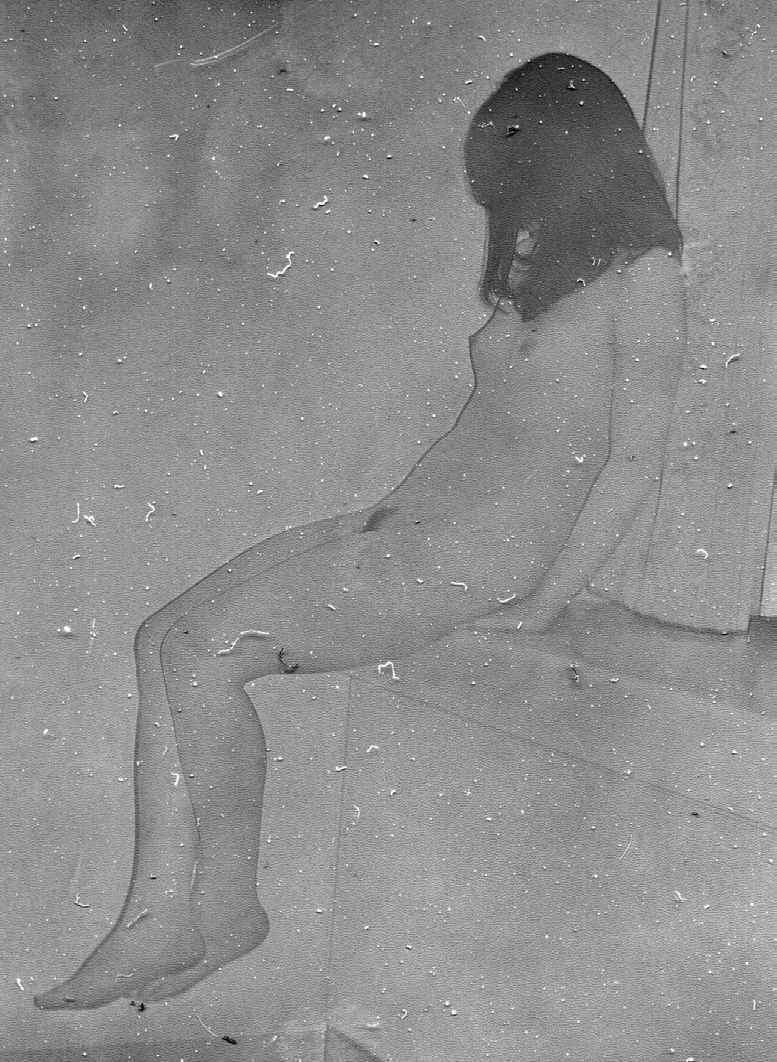
Daisuke Yokota
Taratine series
50x37 cm

Daisuke Yokota
Sludge
72x90 cm
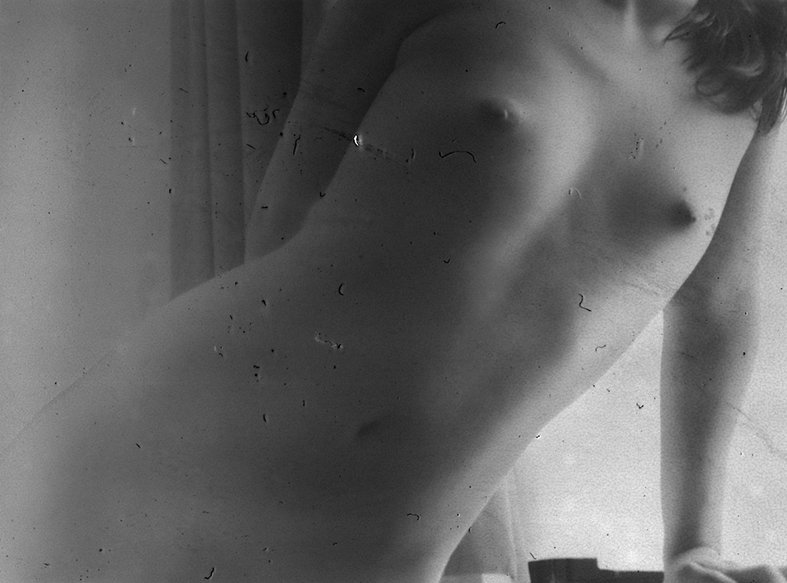
Daisuke Yokota
taratine
37x50 cm
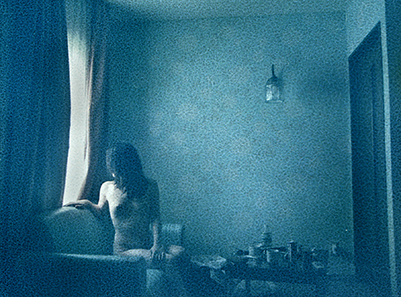
Daisuke Yokota
taratine
44x60 cm
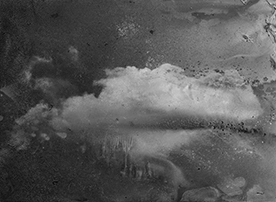
Daisuke Yokota
clouds
110x150 cm

Daisuke Yokota
clouds
110x150 cm
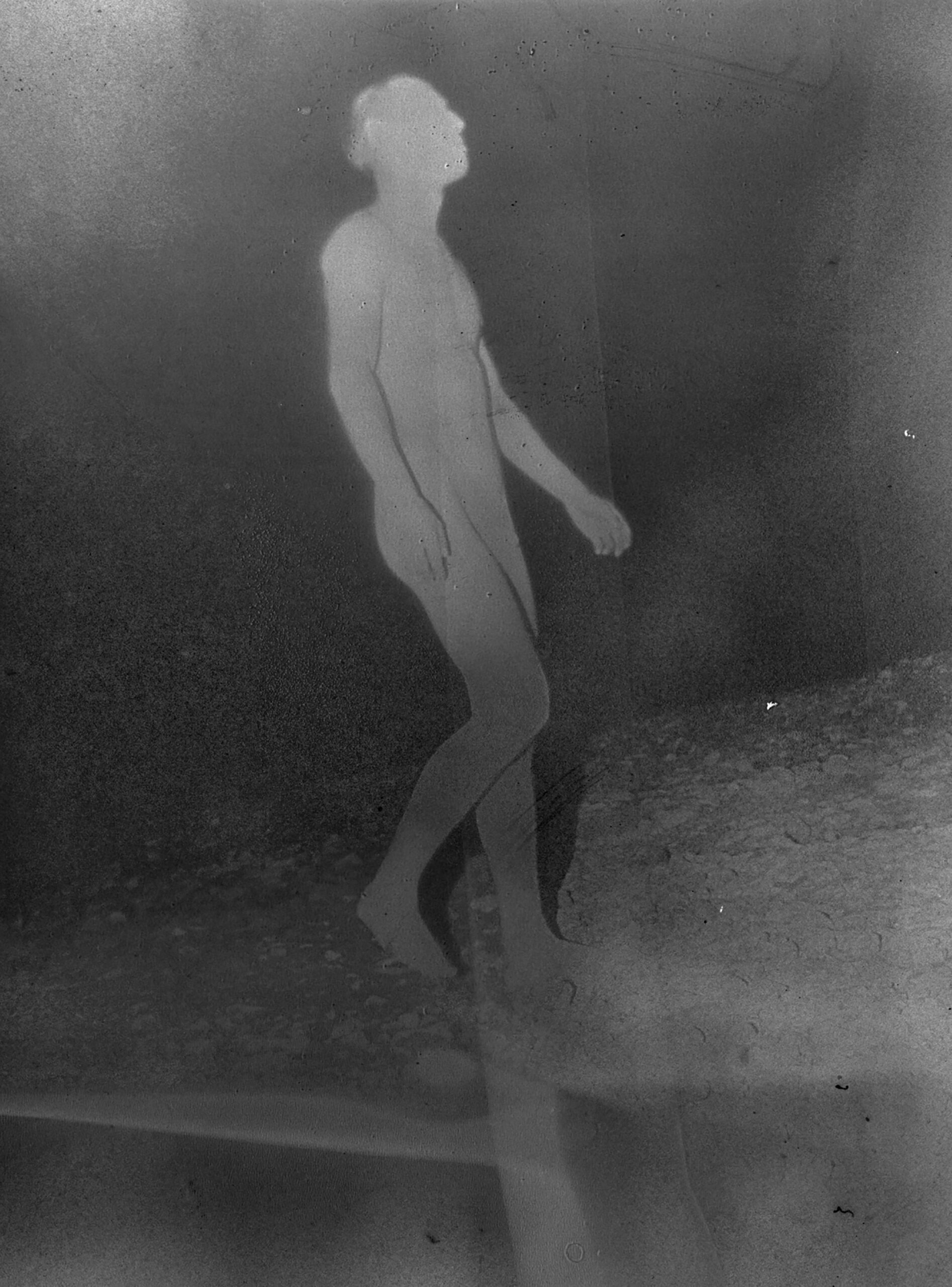
Daisuke Yokota
clouds
100x74 cm
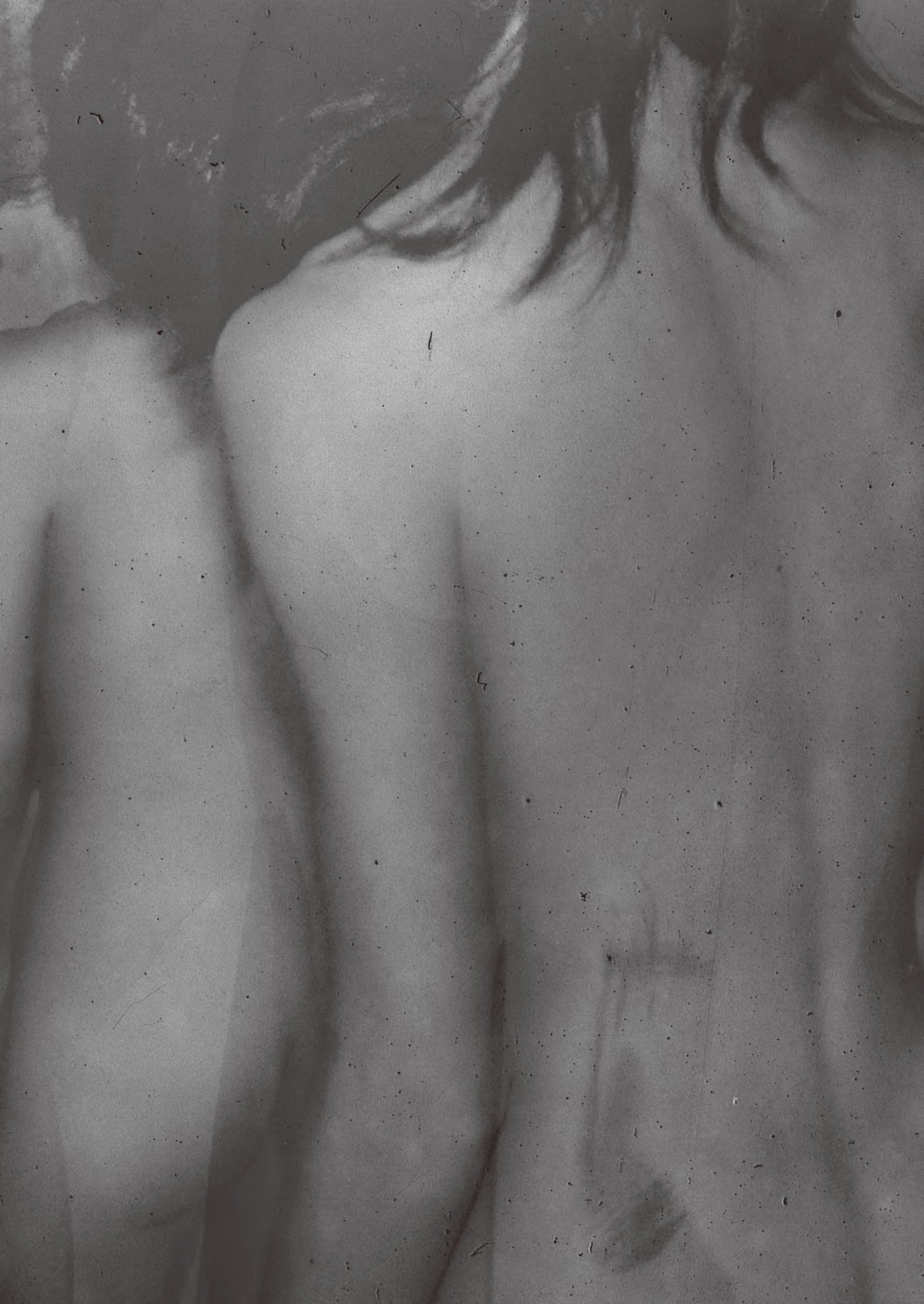
Daisuke Yokota
vertigo
37x50 cm edition 8 74x100 cm edition 5

Daisuke Yokota
vertigo
37x50 cm edition 8 74x100 cm edition 5
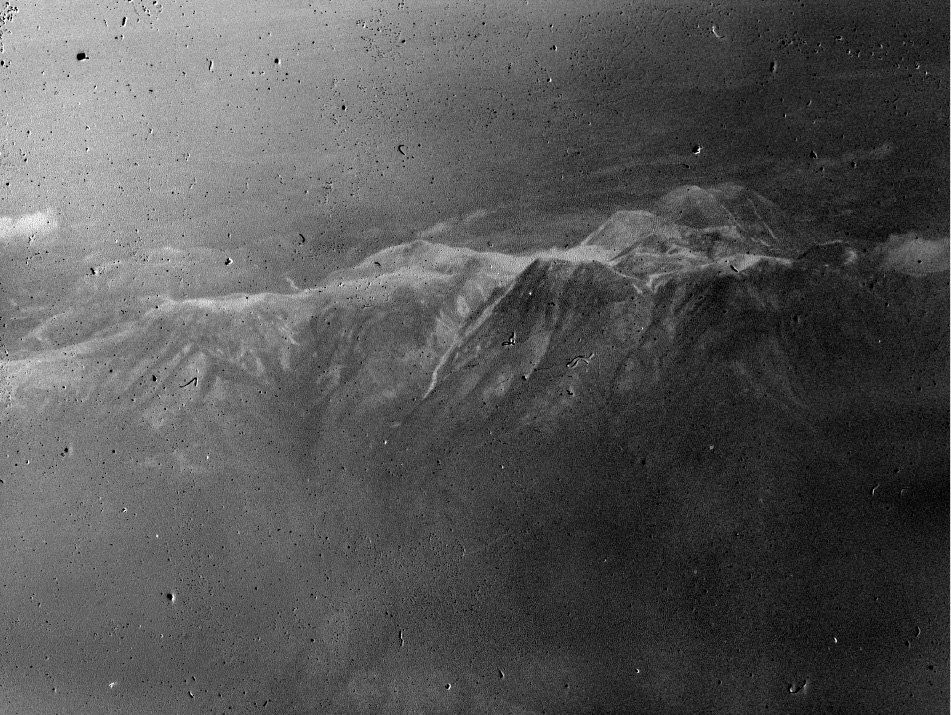
Daisuke Yokota
Veritigo
37x50 cm edition 8 74x100 cm edition 5
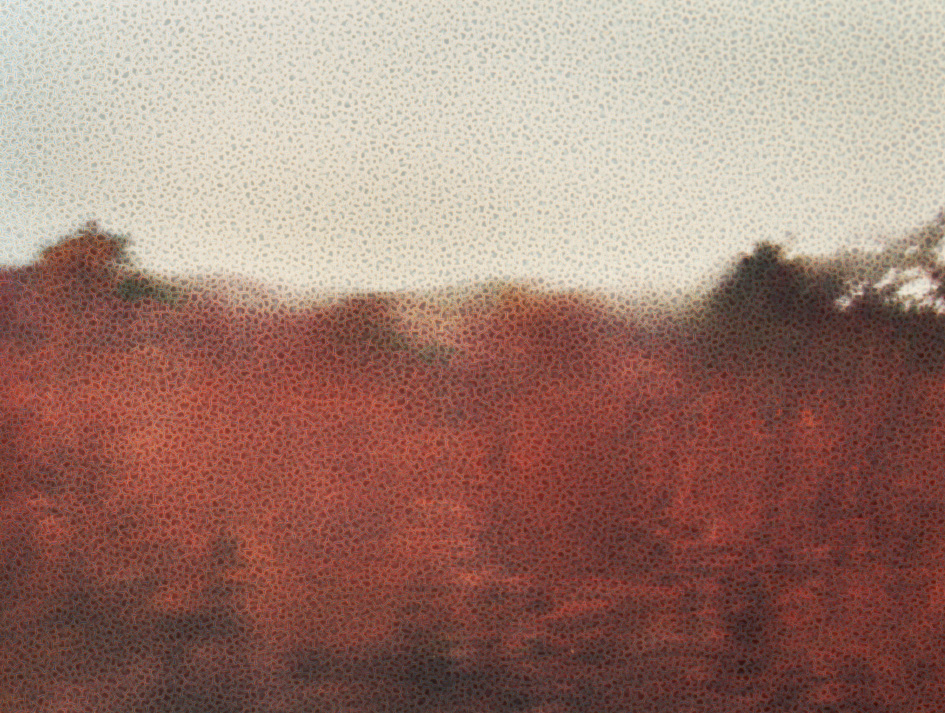
Daisuke Yokota
taratine
44,4x60 cm edition 5 22,2x30 cm edition 8
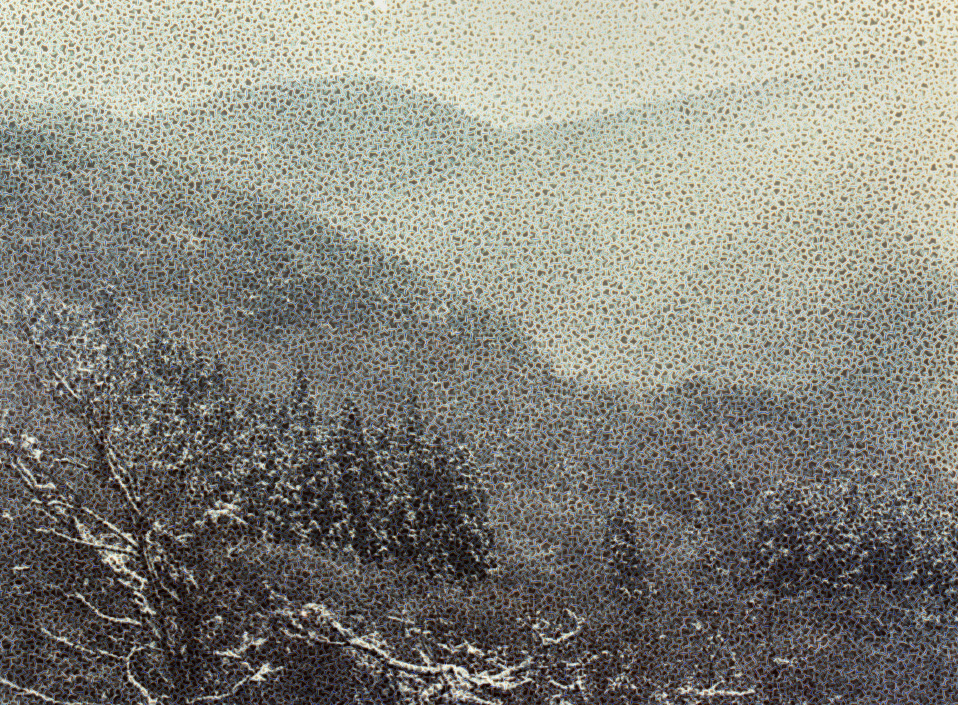
Daisuke Yokota
Taratine
44,4x60 cm edition 5 22,2x30 cm edition 8

Daisuke Yokota
Taratine
44,4x60 cm edition 5 22,2x30 cm edition 8

Daisuke Yokota
Vertigo
37x50 cm edition 8 74x100 cm edition 5
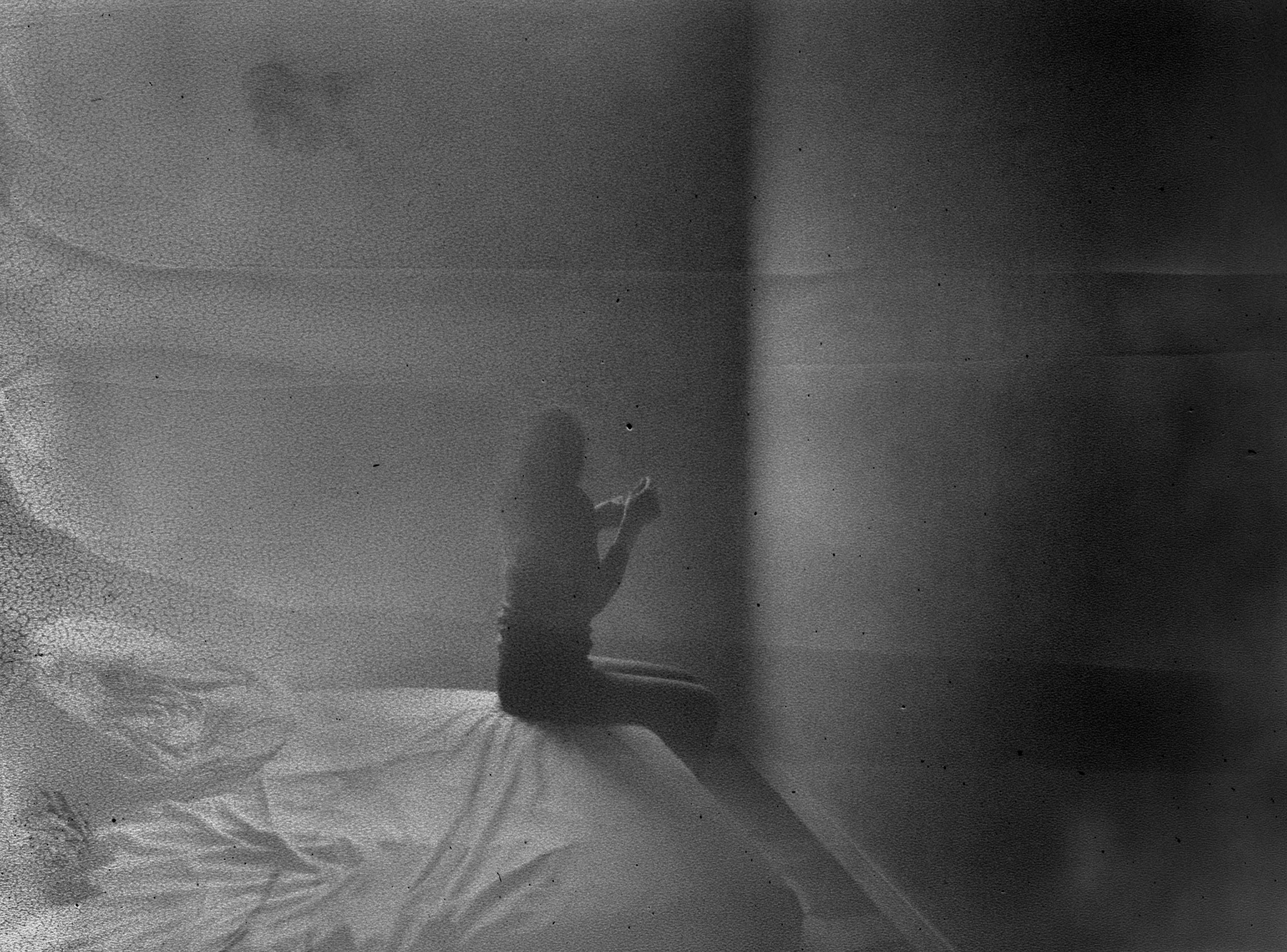
Daisuke Yokota
vertigo
37x50 cm edition 8 74x100 cm edition 5